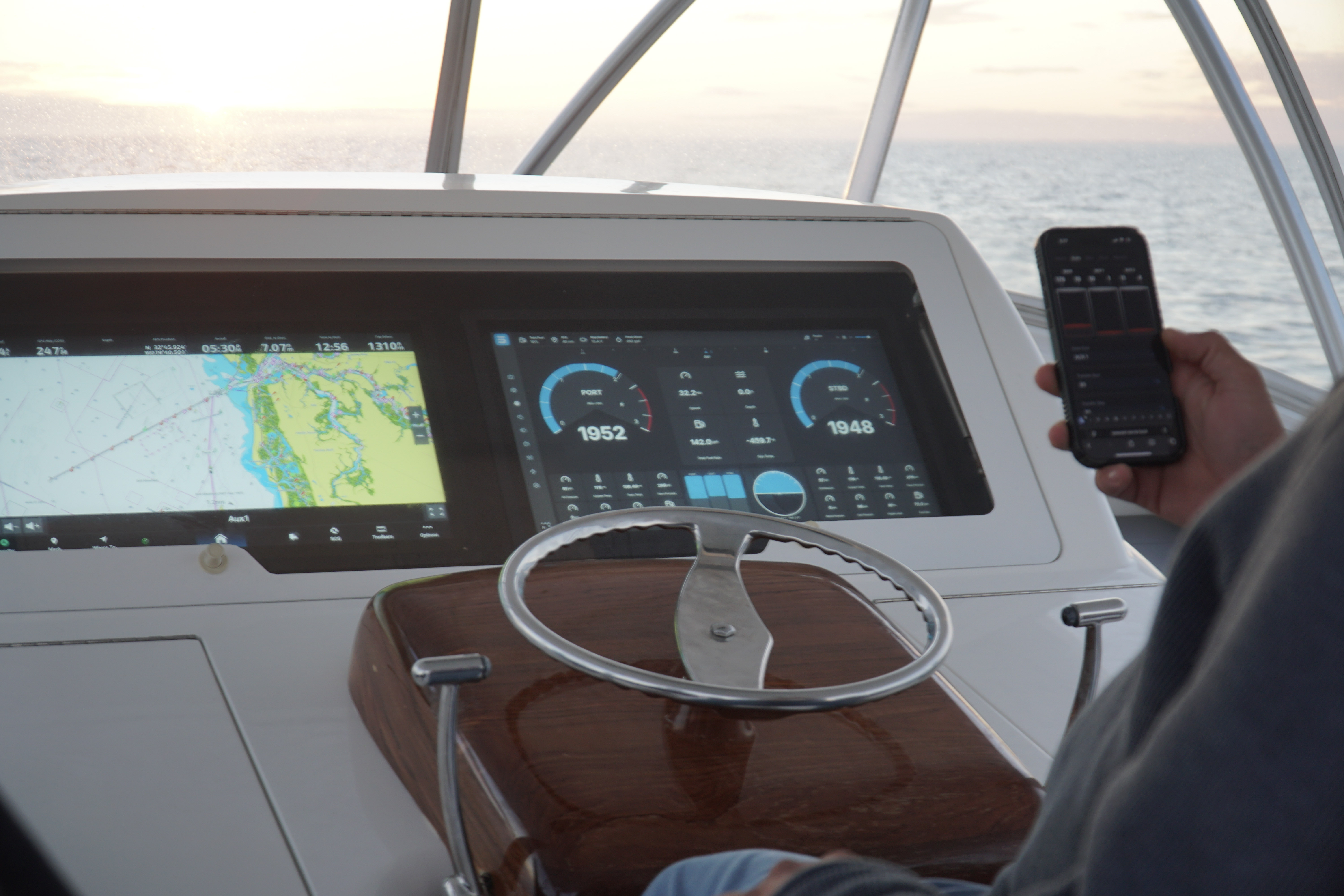
Why a Documented Vessel Is a Stronger Asset
The Story of a Vessel Continues After Delivery
A yacht may leave the builder with drawings, manuals, commissioning records and a fresh warranty file. From that point forward, the operating story begins to fragment. Trips are remembered informally, service invoices live in email, equipment changes are not reflected in drawings and the reasons behind repairs are often lost.
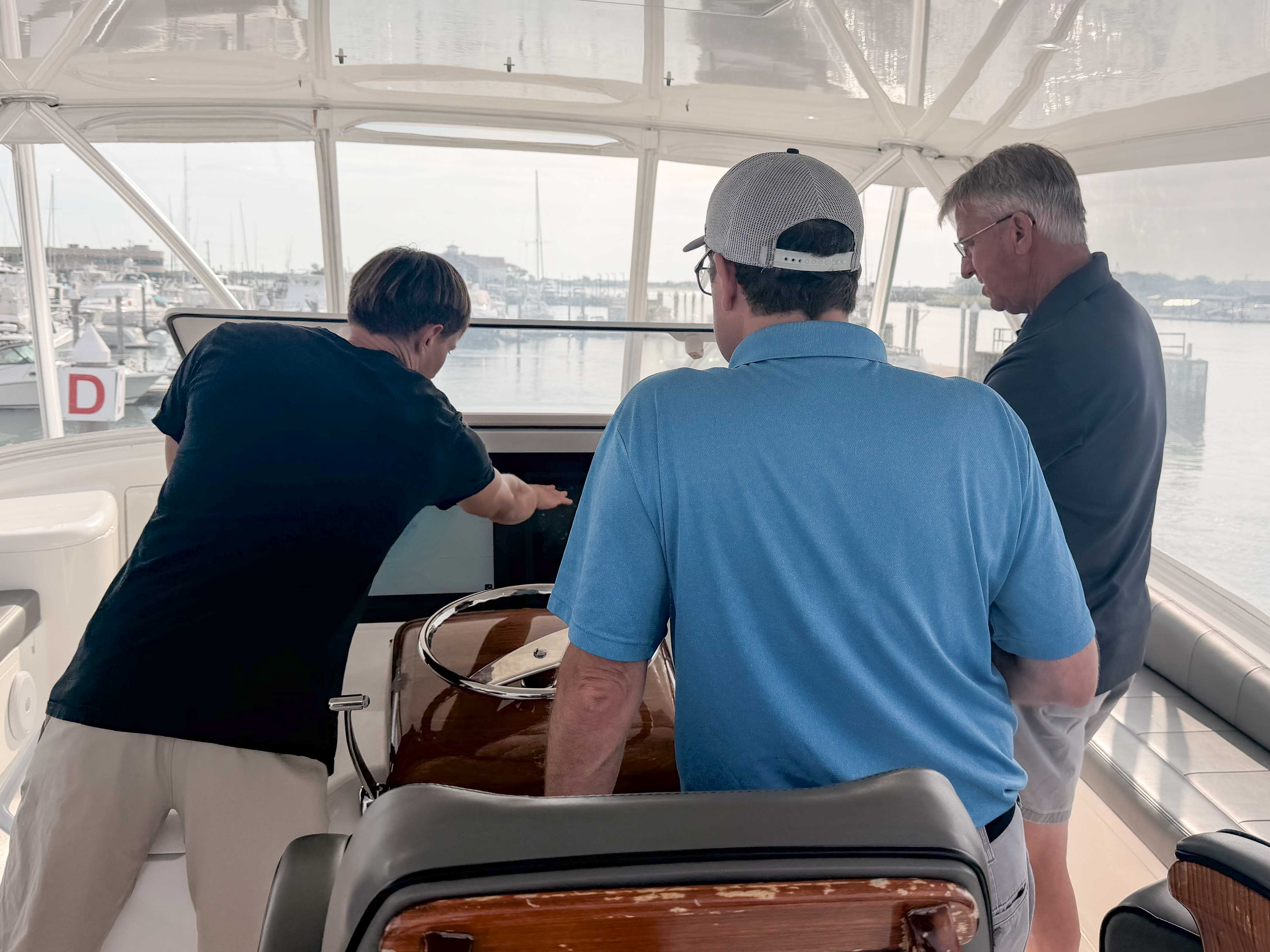
During Seaward’s Atlantic City stop, the larger value of a documented vessel became clear. Every trip, system event, service action and performance trend can contribute to a living record of the boat. That record should remain with the asset, not disappear inside individual phones and inboxes.
Documentation Should Include How the Boat Actually Operates
Traditional documentation explains how equipment was intended to work. Operational history shows how it has worked in the real world. Both are necessary.
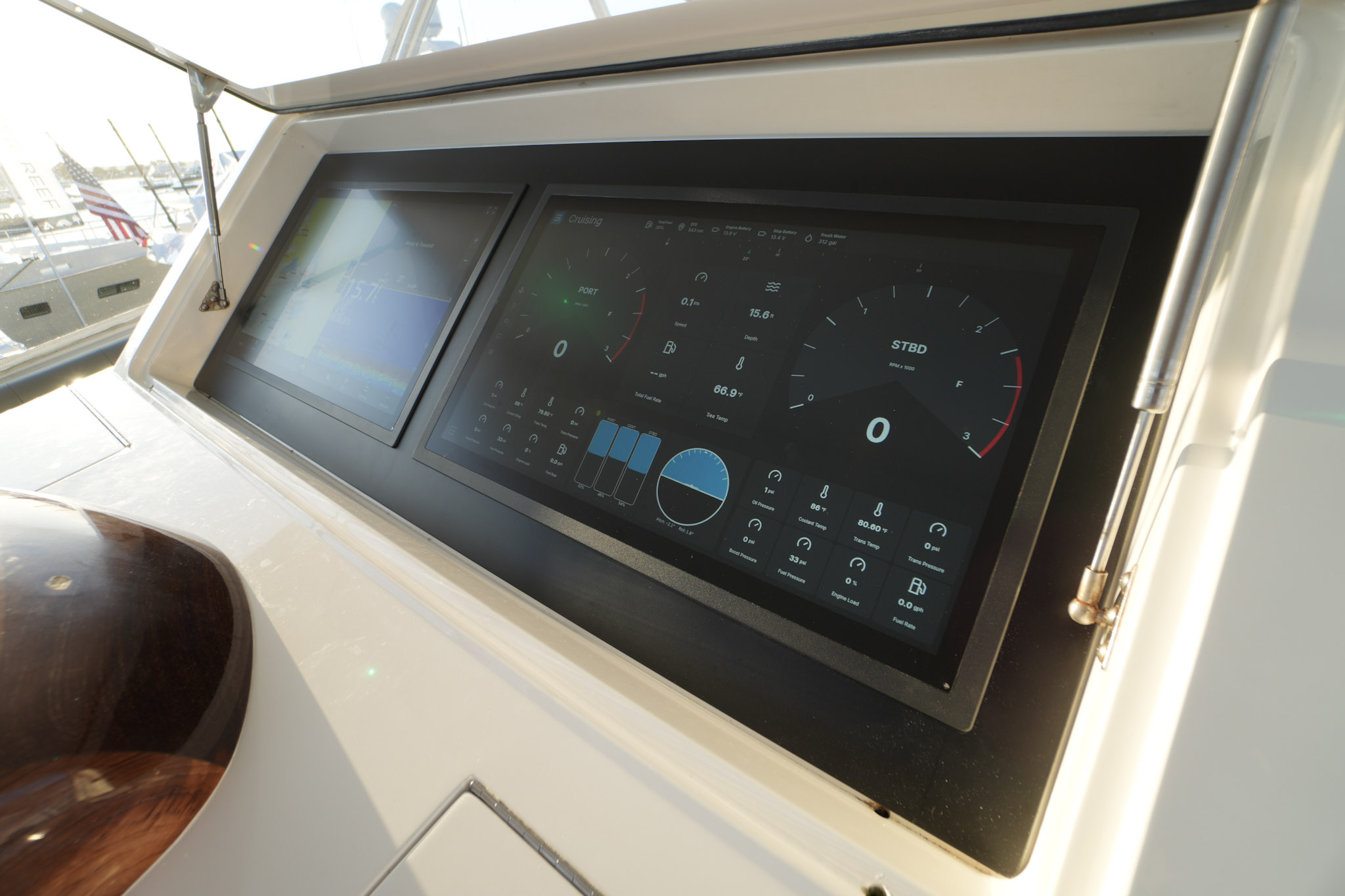
Through Command, a vessel can bring together equipment information, service records, photos, alarms, fuel data, trips and system trends. A future captain can see how fuel transfers are normally managed. A technician can review what changed before a recurring alarm. An owner can understand whether a repair solved the original problem.
A Digital Record Reduces Transition Risk
Crew changes are common, and ownership changes are inevitable. Each transition creates risk when critical information depends on one person’s memory. A structured vessel history improves the handoff.
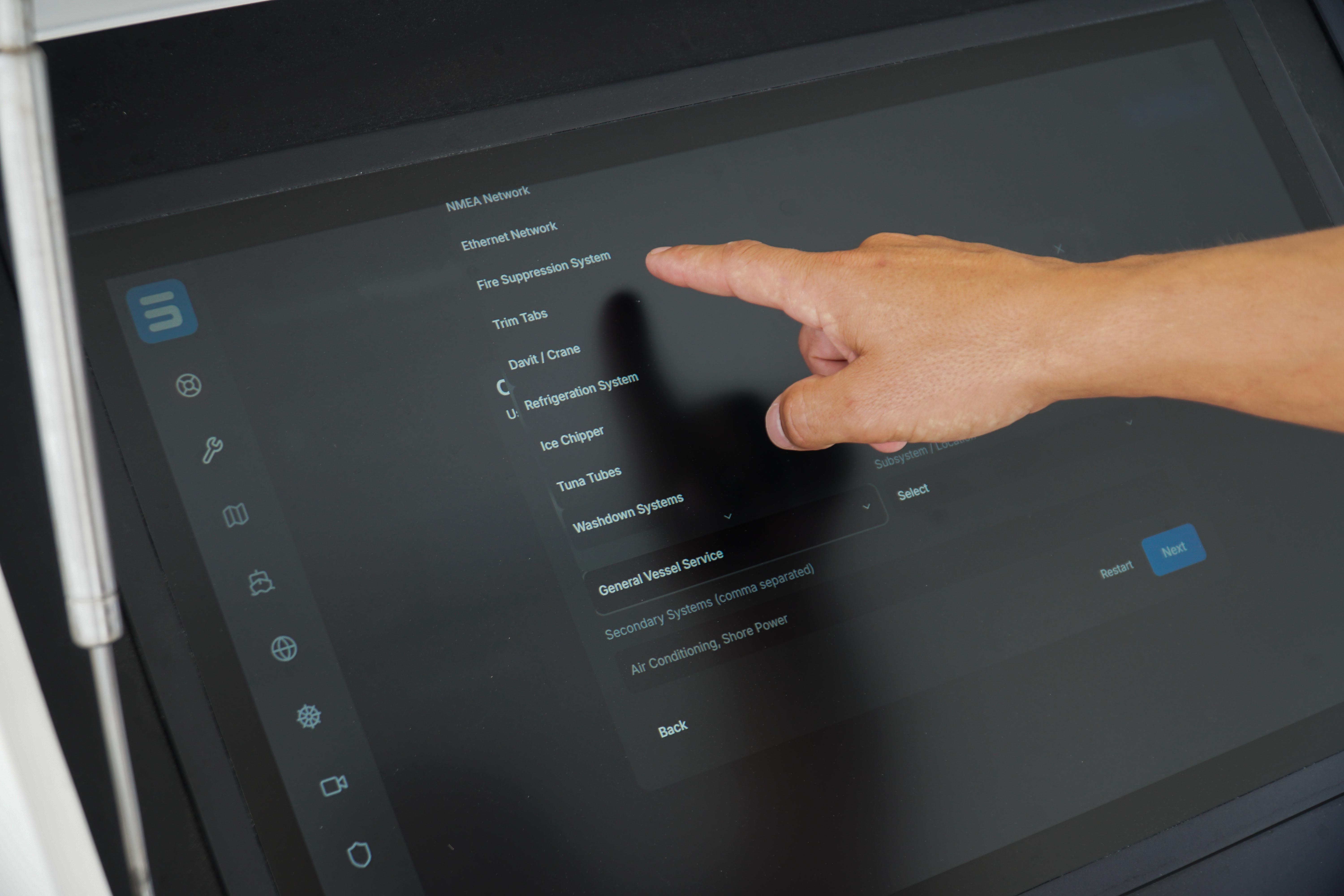
The new team can learn the boat faster, identify open issues and understand previous decisions. This is especially useful on customized Viking yachts, sportfishing boats and motor yachts where the electrical and automation systems may differ significantly from sister ships. If the vessel uses OctoPlex, Maretron, Carling digital switching or a mix of legacy and modern systems, the record can also document the integration architecture.
Better Records Can Support Long-Term Asset Value
A buyer evaluating a high-value vessel wants evidence of condition and care. Maintenance invoices help, but a more complete operating history can reduce uncertainty. Consistent tank records, equipment trends, alarms, service notes and system documentation provide a clearer picture than a snapshot survey alone.
Command is not a substitute for a qualified surveyor or technician. It can provide a deeper factual record that supports those professionals and helps the seller explain the vessel.
A Compounding Software Relationship
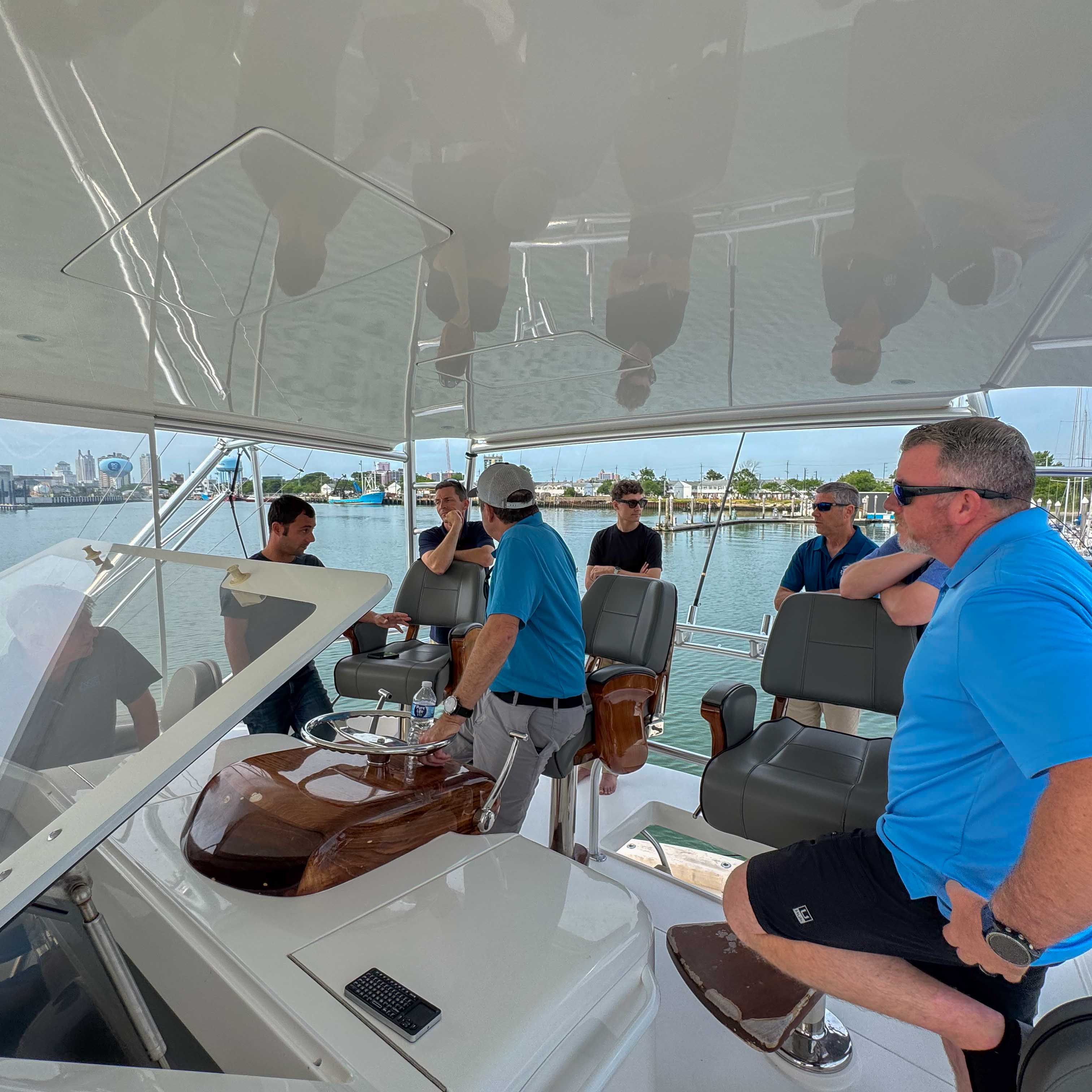
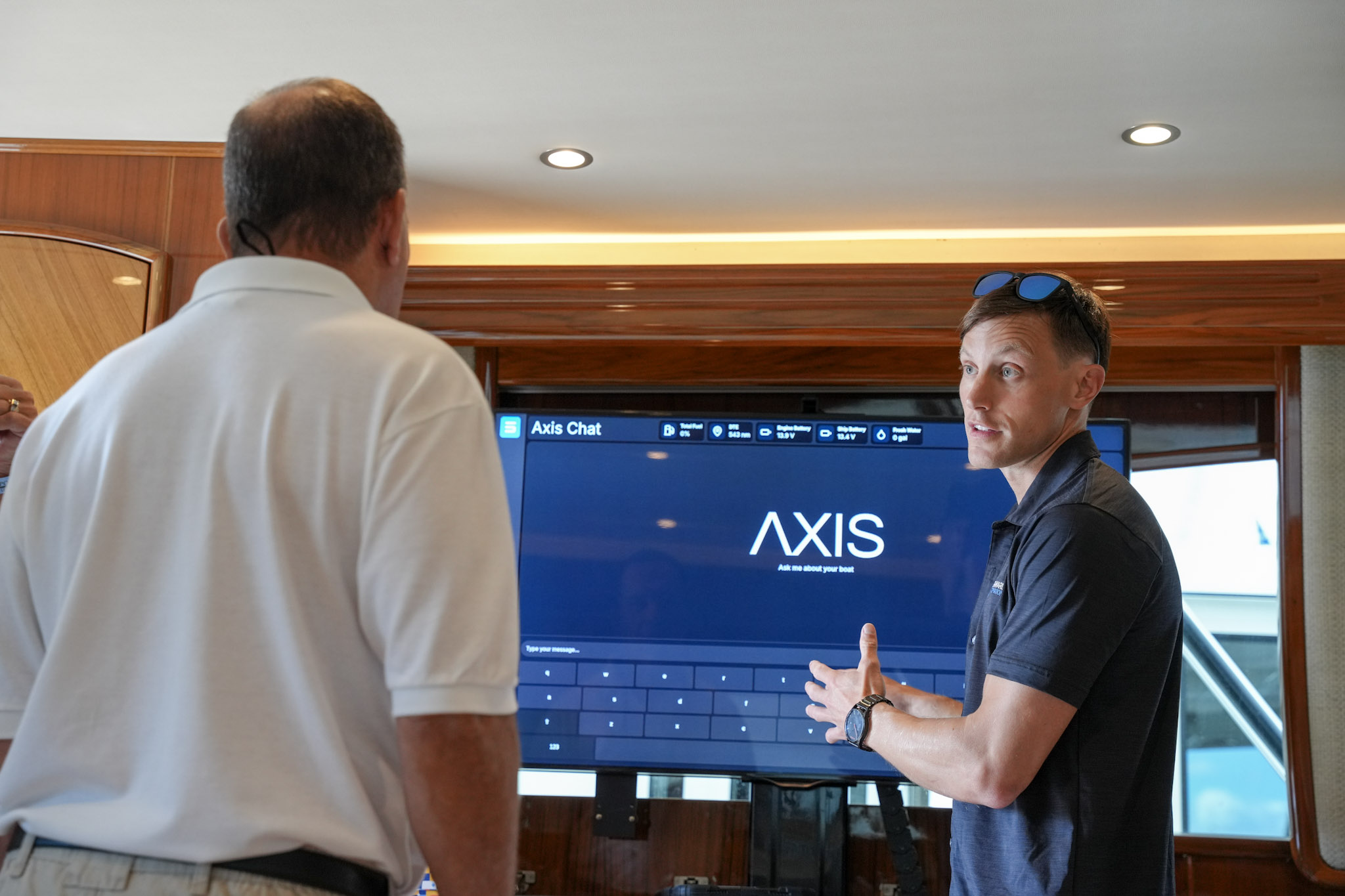
The strategic value for Seaward is that the platform becomes more important as the history grows. Foundation connects the vessel. Vantage keeps approved users connected and preserves the ongoing operating record. Axis can make the information easier to search, summarize and use.
That creates a recurring relationship aligned with the lifecycle of the asset. Owners receive better visibility. Captains receive better continuity. Service providers receive better context. Builders and brokers can remain connected to the vessels they support.
A documented vessel is not only easier to operate. It is a stronger, more understandable and more transferable asset.
The Command Opportunity
Command is designed for high-value vessels that require a deeper level of integration and ongoing support. Seaward combines vessel-specific Foundation hardware and engineering with the recurring Vantage platform and the expanding Axis intelligence layer. Learn more at Seaward Automation.

Subscribe to our newsletter
Lorem ipsum dolor sit amet, consectetur adipiscing elit. Suspendisse varius enim in eros elementum tristique.
Related posts
Why a Documented Vessel Is a Stronger Asset
Yacht Fuel Delivery, Built Into Command: Seaward Automation Partners With Fuel 1
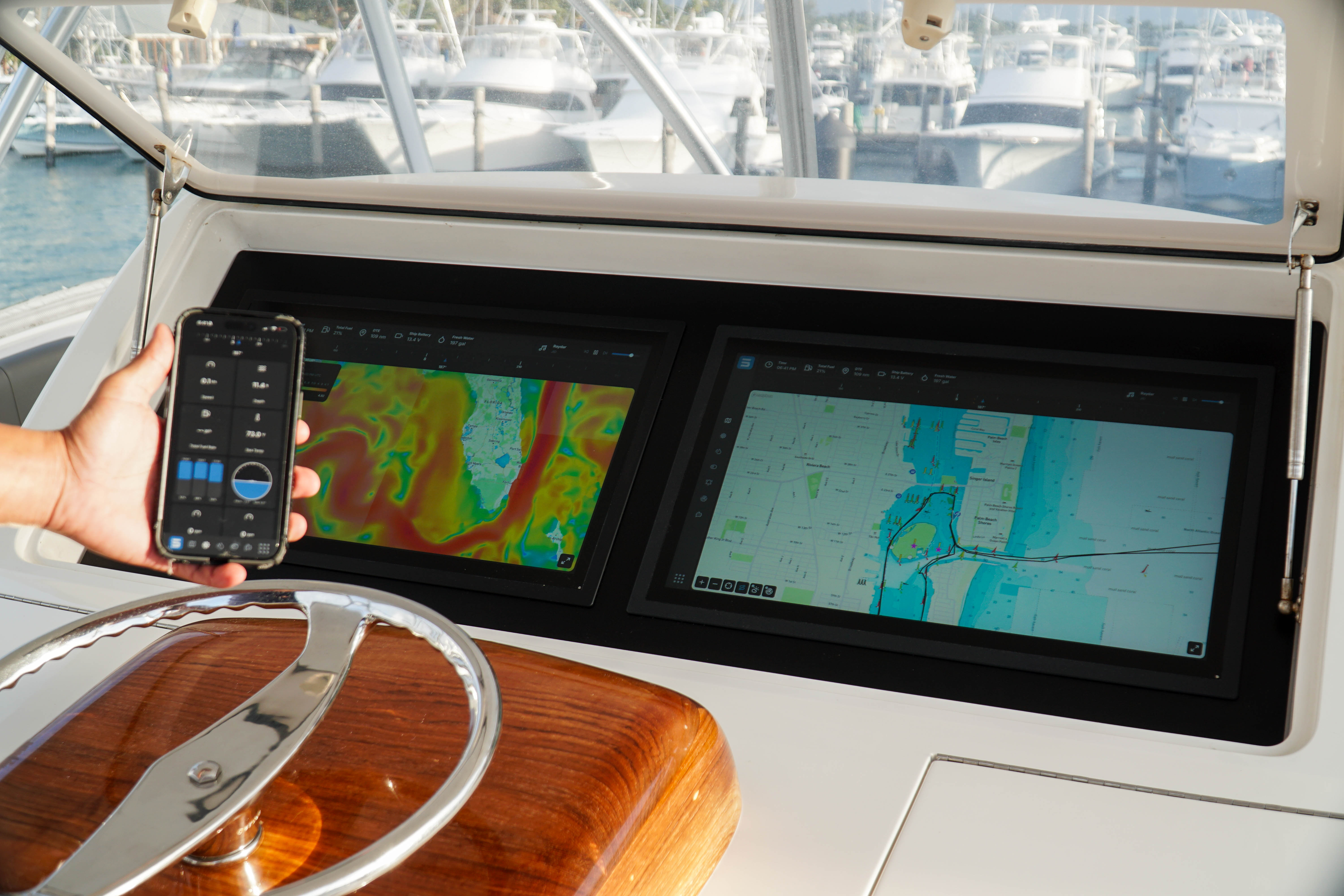
Command as the Digital Operating System for Modern Vessels
Seaward Automation Announces New Command™ Integration with Savvy Navvy
Featured in the March Edition of Marine Electronics Journal
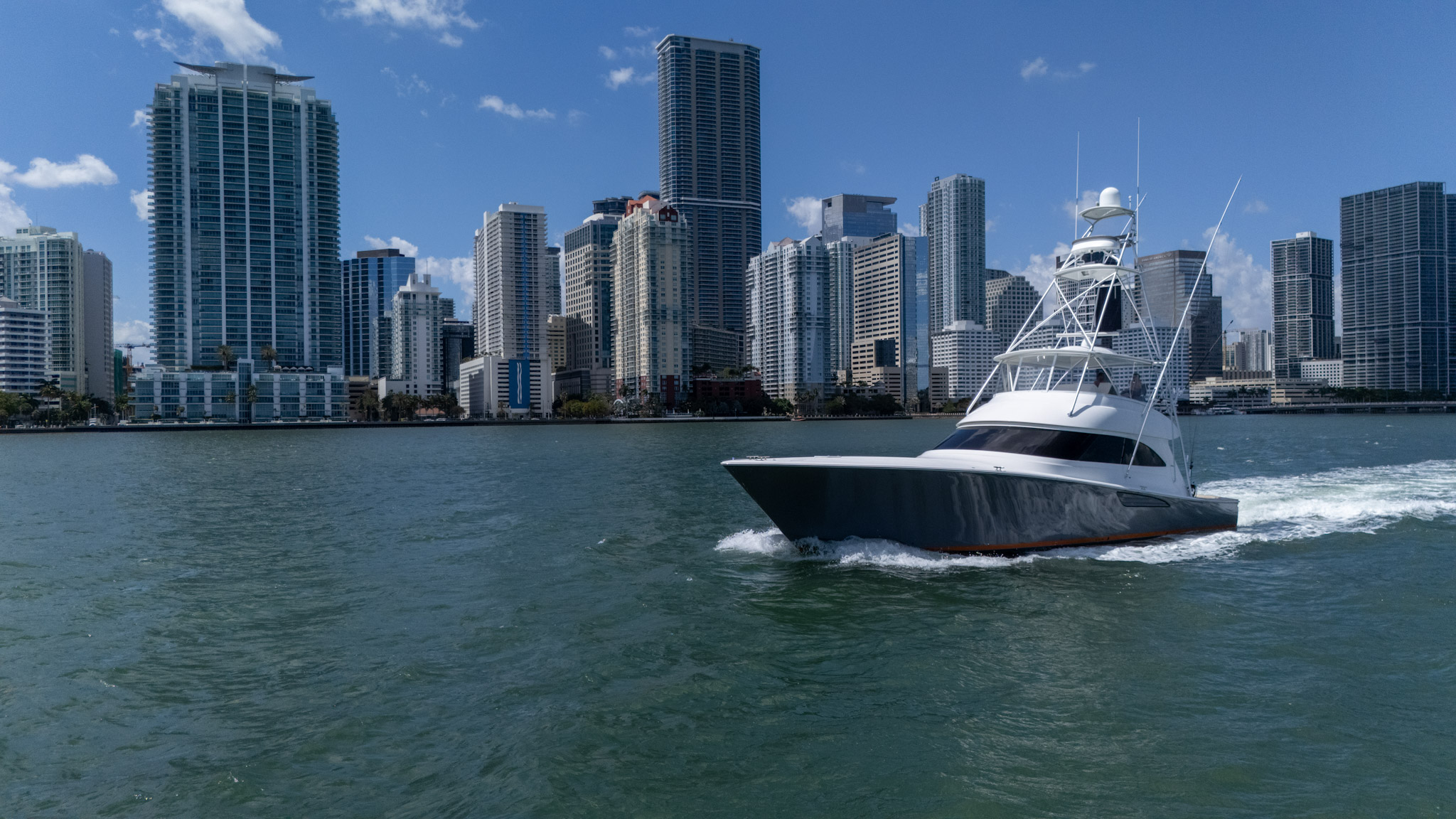
Experiencing Command™ Beyond the Miami Boat Show
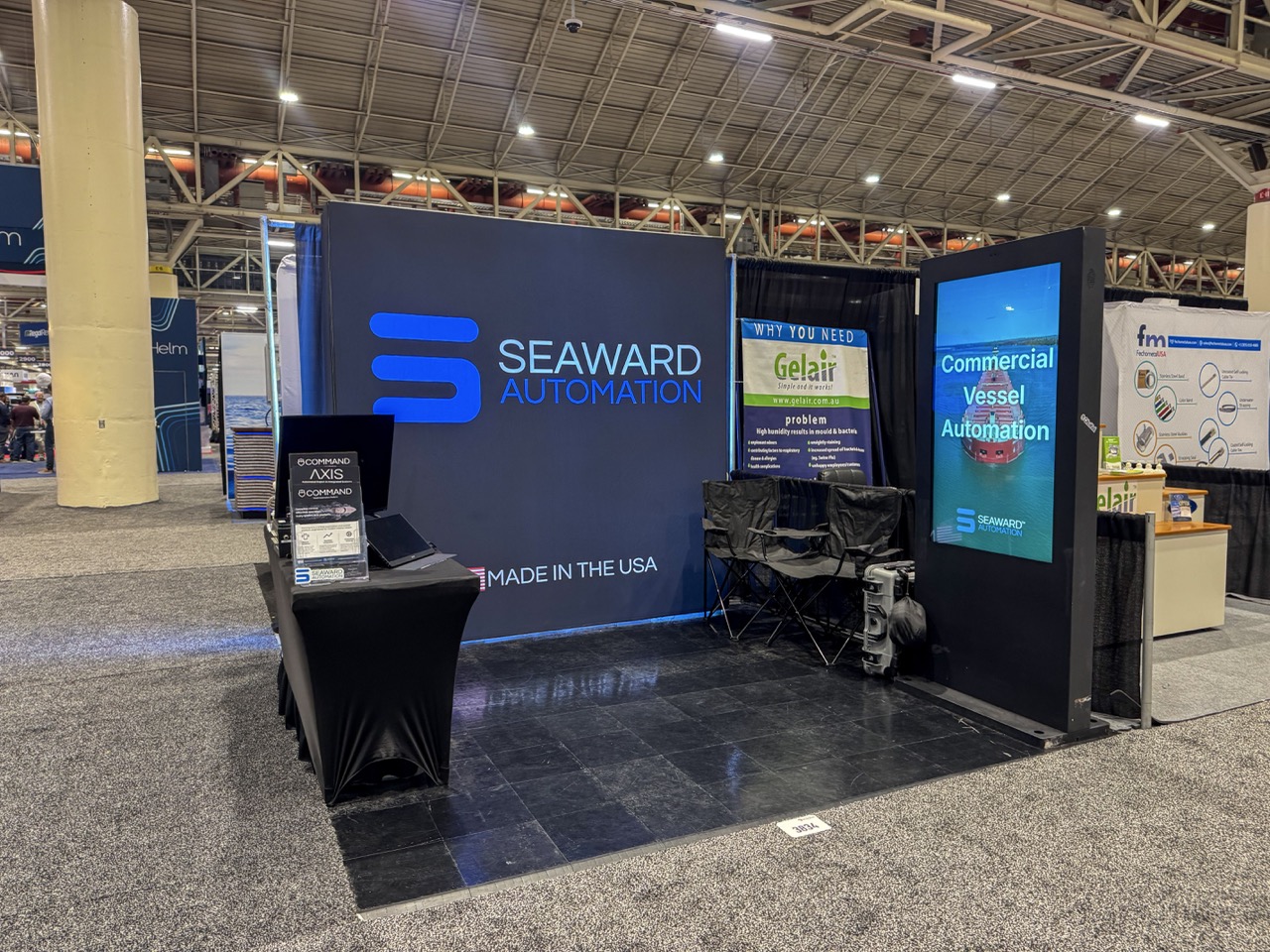
2025 International WorkBoat Show Recap

Our First Intern: Preston’s Market Analyst Experience
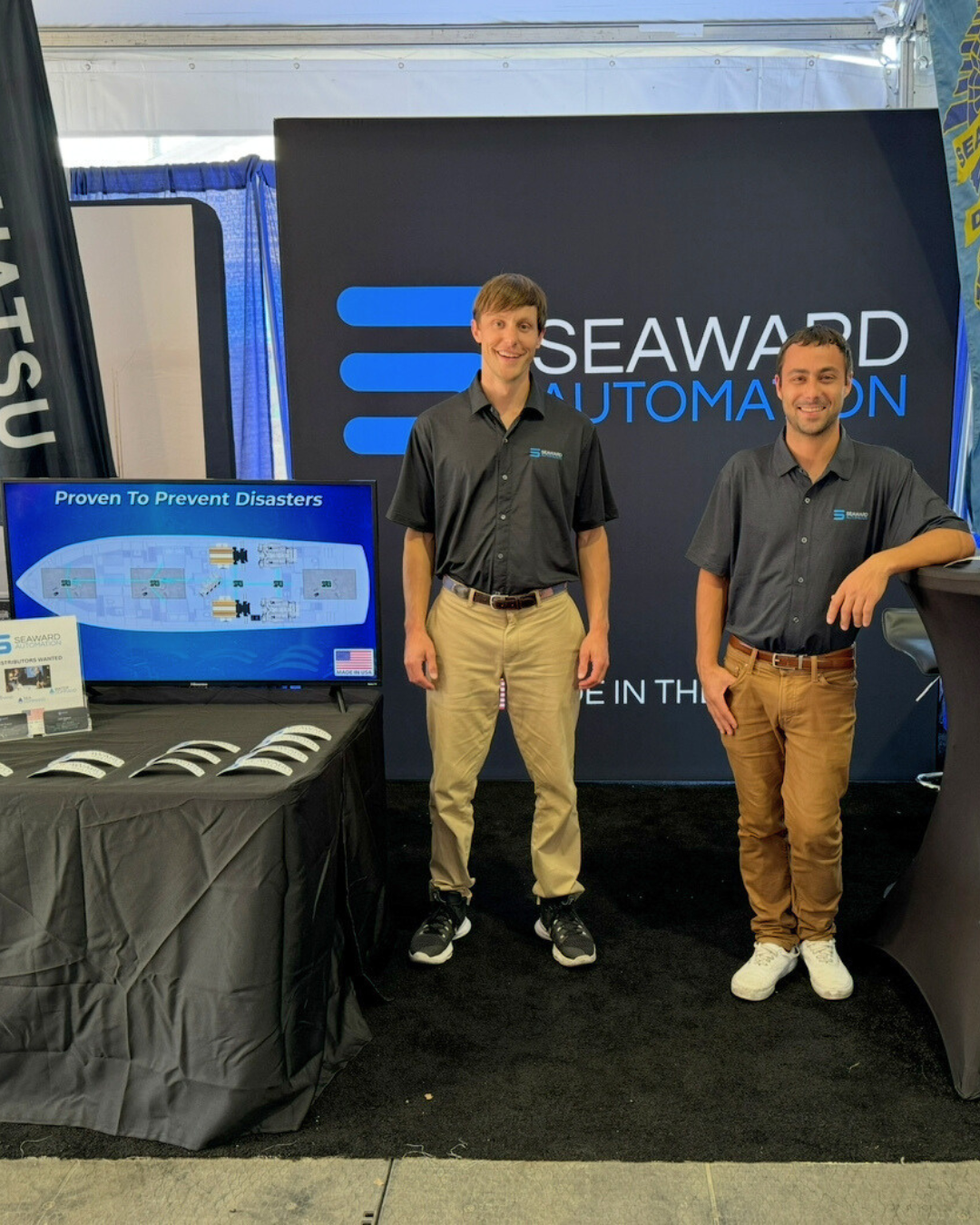
From Vision to Vessel
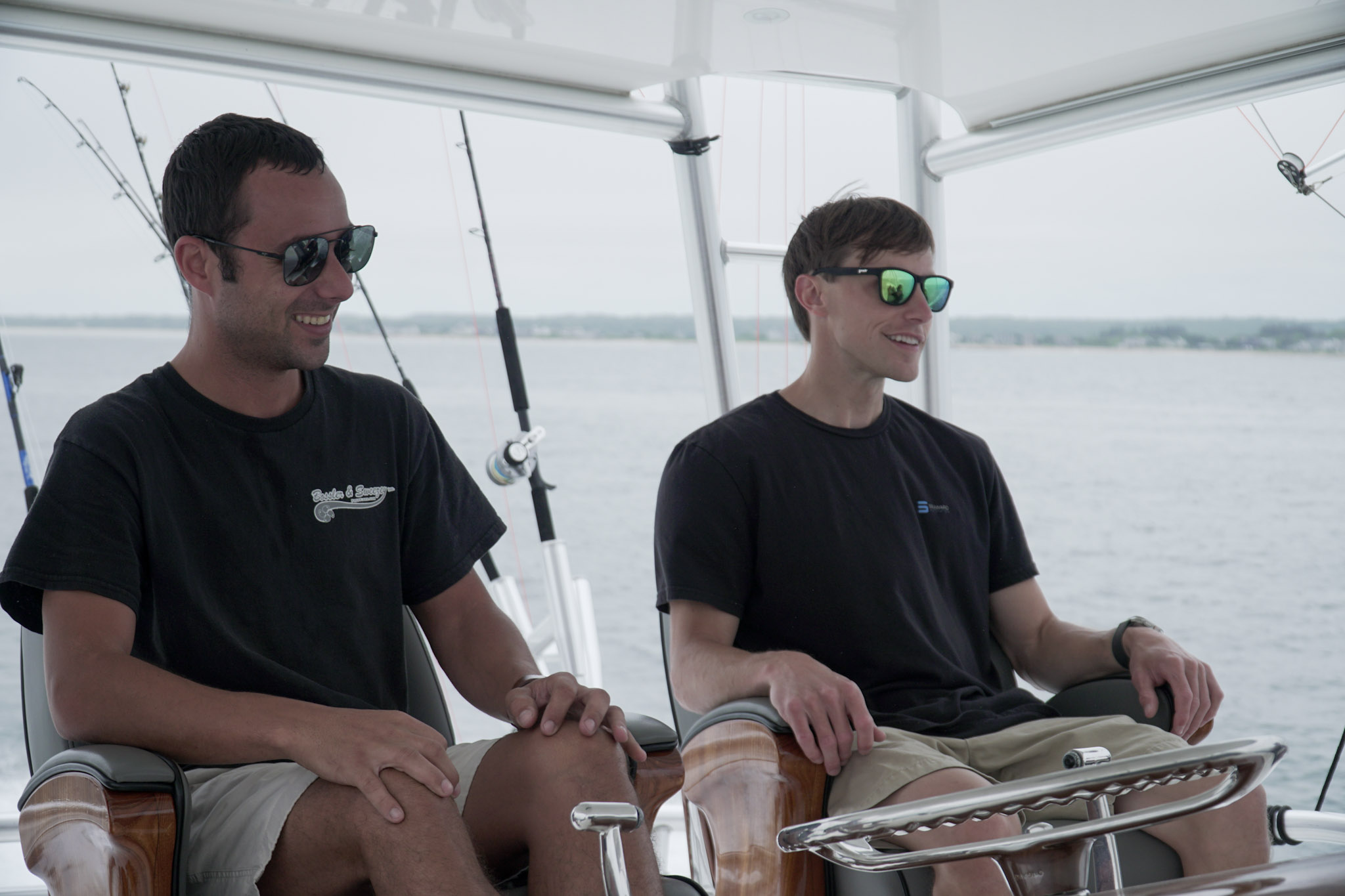
Founders Story
Viking 66' Helm Modernization with the Command Platform
Newport International Boat Show 2025 Recap
.jpg)
FLIBS 2025 Recap: Momentum for Marine & Vessel Automation